شعار
وطن

معدات اختبار درجة الحرارة

معدات اختبار درجة الحرارة

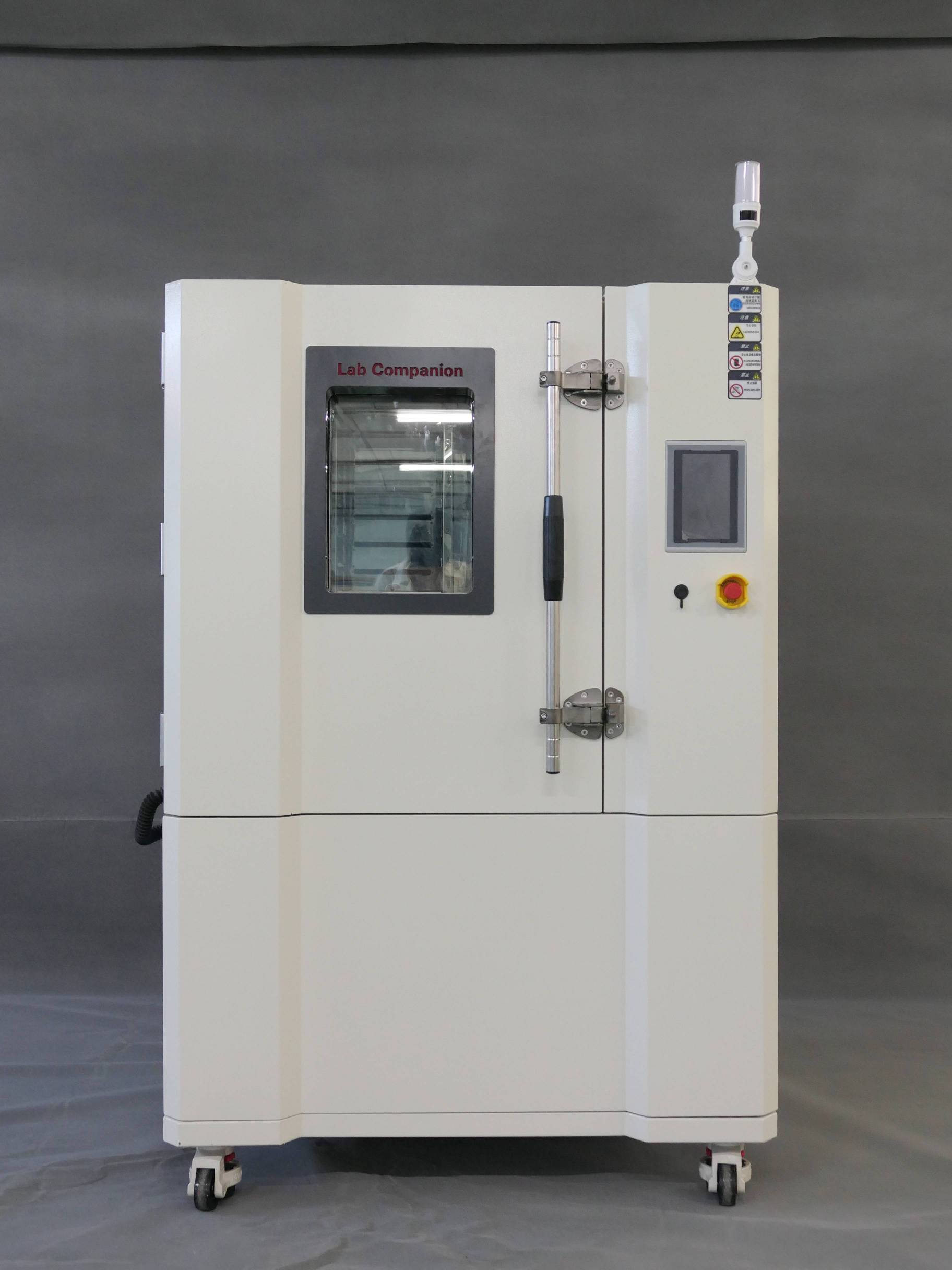
  • Small Rapid Temperature Change (Wet Heat) Test Chamber
    Nov 01, 2025
    In response to the testing and R&D requirements of electronic components such as semiconductors and automotive electronics, Lab Companion has developed a smaller capacity small rapid temperature change (wet heat) test chamber. While maintaining the advantages of standard rapid temperature change test chambers, it can also meet the needs of customers who have requirements for space size, with a single-phase 220VAC voltage specification. It can also meet the equipment usage requirements of customers in civilian office areas such as research institutions and universities. Its main features are as follows: 1. It has powerful heating and cooling performance 2. Heating rate: 15℃/min; Cooling rate: 15℃/min 3. (Temperature range: -45℃ to +155℃) 4. Single-phase 220VAC, meeting the electricity demands of more customers 5. Single-phase 220VAC, suitable for industrial and civil power supply specifications, can meet the equipment power demands of customers in civil office areas such as research institutions and universities. 6. The body is small and exquisite, with a compact structure and easy to move 7. The miniaturized structure design of the test chamber can effectively save configuration space. 8. The inner tank volume is 100L, the width is 600mm, the depth is less than 1400mm, and the product volume is less than 1.1m ³. It is suitable for the vast majority of residential and commercial elevators in China (GB/T7025.1). 9. The standard universal wheels enable the product to move freely at the installation site. 10. Standard air-cooled specification is provided, facilitating the movement and installation of the product 11. At the same time, it saves customers the cost and space of configuring cooling towers. 12. A more ergonomic operation touch screen design 13. Through the multi-angle adjustment of the touch screen, it can meet the operation needs and provide the best field of vision for users of different heights, making it more convenient and comfortable. 14. Energy-saving cold output temperature and humidity control system, with dual PID and water vapor partial pressure control, features mature technology and extremely high precision. 15. Network control and data acquisition can be carried out through the interface (RS-485/GPIB/Web Lan/RS-232C). 16. It is standard-equipped with left and right cable holes (50mm), which facilitates the connection of power on the sample and the conduct of multiple measurements. 17. The controller adopts a color LCD touch screen, which is simple and convenient to operate 18. Through the controller, two control methods, fixed value and program, can be selected to adapt to different applications. 19. The program control can be set to 100 modes, with 99 steps for each mode. Repeat the loop up to 999 times. 20. Multiple languages can be easily switched (Simplified Chinese, English), and test data can be stored on a USB flash drive.
    إقرأ المزيد
  • Flame-retardant PP Materials in Industry Working Principle
    Oct 27, 2025
    Polypropylene (PP) itself is a highly flammable hydrocarbon with a limiting oxygen index (LOI) of only 17.8%. It will continue to burn even after being removed from the fire source. The core principle of flame-retardant PP is to interrupt or delay its combustion cycle through physical and chemical means. Combustion requires the simultaneous existence of three elements: combustible material, heat and oxygen. The function of flame retardants is to destroy this "burning triangle".   In industry, flame retardancy is mainly achieved by adding flame retardants to PP. Different types of flame retardants function through the following mechanisms: 1. Gas-phase flame retardant mechanism This is one of the most common mechanisms, especially applicable to traditional halogen-based flame retardants. When flame retardants are heated and decomposed, they can capture the free radicals (such as H· and HO·) that maintain the combustion chain reaction in the combustion reaction zone (flame), causing their concentrations to drop sharply and thus interrupting the combustion. 2. Condensed phase flame retardant mechanism This is the most mainstream mechanism of halogen-free flame-retardant PP. Flame retardants promote the formation of a uniform and dense carbon layer on the surface of polymers. This layer of carbon has three major functions. The first step is to prevent external heat from entering the interior of the polymer. Secondly, it prevents the escape of flammable gases inside and the entry of external oxygen. Finally, it inhibits the further pyrolysis of the polymer and the generation of smoke. When a fire occurs, the acid source promotes the dehydration, cross-linking and carbonization of the carbon source. Meanwhile, the large amount of gas produced by the decomposition of the gas source causes the softened carbon layer to expand, eventually forming a porous, dense and strong foam carbon layer, which protects the underlying PP like "armor". 3. Cooling/heat absorption mechanism Flame retardants absorb a large amount of heat during the decomposition process, reducing the surface temperature of polymers and making it difficult for them to continuously pyrolyze and produce flammable gases. Typical representatives include aluminium hydroxide (ATH) and magnesium hydroxide (MH). When they decompose, they absorb a large amount of heat (endothermic reaction) and release water vapor. The water vapor can not only dilute flammable gases but also play a cooling role. 4. Dilution mechanism Flame retardants decompose to produce a large amount of non-flammable gases (such as water vapor and CO₂, etc.), which can dilute the concentration of flammable gases and oxygen near the polymer surface, making combustion unsustainable. Both the gas sources of metal hydroxides and intumescent flame retardants have this function.   In conclusion, the working principle of flame-retardant PP in industry is a complex process involving the synergy of multiple mechanisms. Modern flame-retardant PP technology is developing towards halogen-free, low smoke, low toxicity and high efficiency. Among them, the condensed phase flame-retardant mechanism represented by intumescent flame retardants (IFR) is the core of current research and application. By carefully designing flame-retardant formulas, the best balance can be achieved among flame-retardant efficiency, material mechanical properties, processing performance and cost.
    إقرأ المزيد

  • How is over-temperature protection carried out in a temperature test chamber?
    Oct 23, 2025
    The over-temperature protection of the temperature test chamber is a multi-level and multi-redundant safety system. Its core purpose is to prevent the temperature inside the chamber from rising out of control due to equipment failure, thereby protecting the safety of the test samples, the test chamber itself and the laboratory environment.   The protection system usually consists of the following key parts working together: 1. Sensor: The main sensor is used for the normal temperature control of the test chamber and provides feedback signals to the main controller. An independent over-temperature protection sensor is the key to a safety system. It is a temperature-sensing element independent of the main control temperature system (usually a platinum resistance or thermocouple), which is placed by strategically at the position within the box that best represents the risk of overheating (such as near the heater outlet or on the top of the working chamber). Its sole task is to monitor over-temperature. 2. Processing unit: The main controller receives signals from the main sensor and executes the set temperature program. The independent over-temperature protector, as an independent hardware device, is specifically designed to receive and process the signals from the over-temperature protection sensor. It does not rely on the main controller. Even if the main controller crashes or experiences a serious malfunction, it can still operate normally. 3. Actuator: The main controller controls the on and off of the heater and the cooler. The safety relay/solid-state relay receives the signal sent by the over-temperature protector and directly cuts off the power supply circuit of the heater. This is the final execution action.   The over-temperature protection of the temperature test chamber is a multi-level, hard-wire connected safety system designed based on the concepts of "redundancy" and "independence". It does not rely on the main control system. Through independent sensors and controllers, when a dangerous temperature is detected, it directly and forcibly cuts off the heating energy and notifies the user through sound and light alarms, thus forming a complete and reliable safety closed loop.
    إقرأ المزيد
  • مبدأ موازنة درجة الحرارة داخل غرفة الاختبار بواسطة صمام الهواء
    Sep 22, 2025
    مبدأه الأساسي هو نظام تغذية راجعة سلبية مغلق الحلقة، يجمع بين "التسخين - القياس - التحكم". ببساطة، يتم التحكم بدقة في طاقة عناصر التسخين داخل الصندوق لمعادلة تبديد الحرارة الناتج عن البيئة الخارجية، وبالتالي الحفاظ على درجة حرارة اختبار ثابتة أعلى من درجة حرارة المحيط. عملية تثبيت درجة الحرارة بواسطة صمام الهواء هي حلقة مغلقة ديناميكية قابلة للتعديل باستمرار. أولاً، اضبط درجة الحرارة المستهدفة. يقيس مستشعر درجة الحرارة درجة الحرارة الفعلية داخل الصندوق آنياً، وينقل الإشارة إلى وحدة التحكم PID.عندما يحسب مُتحكم PID قيمة الخطأ، فإنه يحسب طاقة التسخين اللازمة للتعديل بناءً على قيمة الخطأ من خلال خوارزمية PID. ستأخذ الخوارزمية في الاعتبار ثلاثة عوامل:P (النسبة): ما حجم خطأ التيار؟ كلما زاد الخطأ، اتسع نطاق ضبط طاقة التسخين.التكامل (I): تراكم الأخطاء على مدى فترة زمنية محددة. يُستخدم لإزالة الأخطاء الثابتة (على سبيل المثال، إذا كان هناك انحراف طفيف دائمًا، فسيزيد حد التكامل تدريجيًا من قدرته على إزالته تمامًا).D (تفاضلي): معدل تغير خطأ التيار. إذا اقتربت درجة الحرارة بسرعة من الهدف، فسيتم تقليل طاقة التسخين مسبقًا لمنع تجاوز الحد.3. يرسل متحكم PID الإشارة المحسوبة إلى متحكم الطاقة في عنصر التسخين (مثل مرحل الحالة الصلبة SSR)، مما ينظم بدقة الجهد أو التيار المطبق على سلك التسخين، وبالتالي التحكم في توليد الحرارة.٤. تعمل مروحة الدوران باستمرار لضمان توزيع الحرارة الناتجة عن التسخين بسرعة وبشكل متساوٍ. وفي الوقت نفسه، تُرسل إشارات مستشعر درجة الحرارة إلى وحدة التحكم بسرعة، مما يُحسّن استجابة النظام. يقيس جهاز موازنة صمام الهواء حجم الهواء، بينما تتغير كثافة الهواء بتغير درجة الحرارة. عند نفس قيمة الضغط التفاضلي، يختلف معدل تدفق الكتلة أو معدل تدفق الحجم للهواء ذي الكثافات المختلفة. لذلك، يجب تثبيت درجة الحرارة عند قيمة ثابتة معروفة ليتمكن المعالج الدقيق داخل الجهاز من حساب قيمة حجم الهواء بدقة في الظروف القياسية بناءً على قيمة الضغط التفاضلي المقاسة باستخدام الصيغة المحددة مسبقًا. في حال عدم استقرار درجة الحرارة، ستكون نتائج القياس غير موثوقة.
    إقرأ المزيد
  • مبدأ عمل التبريد الميكانيكي بالضغط الهوائي المصاحب للمختبر مبدأ عمل التبريد الميكانيكي بالضغط الهوائي المصاحب للمختبر
    Sep 06, 2025
    1. الضغطيتدفق سائل التبريد الغازي منخفض الحرارة والضغط من المبخر، ويسحبه الضاغط. يبذل الضاغط شغلًا على هذا الجزء من الغاز (مستهلكًا طاقة كهربائية) ويضغطه بقوة. عندما يتحول سائل التبريد إلى بخار شديد الحرارة وعالي الضغط، تكون درجة حرارة هذا البخار أعلى بكثير من درجة حرارة المحيط، مما يُهيئ الظروف المناسبة لانطلاق الحرارة إلى الخارج.2. التكثيفيدخل بخار مادة التبريد عالي الحرارة والضغط إلى المكثف (وهو عادةً مبادل حراري أنبوبي ذو زعانف يتكون من أنابيب نحاسية وزعانف من الألومنيوم). تدفع المروحة الهواء المحيط للنفخ فوق زعانف المكثف. بعد ذلك، يُطلق بخار مادة التبريد حرارة إلى الهواء المتدفق في المكثف. نتيجةً للتبريد، يتكثف تدريجيًا من الحالة الغازية إلى سائل متوسط ​​الحرارة والضغط. عند هذه النقطة، تنتقل الحرارة من نظام التبريد إلى البيئة الخارجية.3. التوسعيتدفق سائل التبريد متوسط ​​الحرارة والضغط العالي عبر قناة ضيقة عبر جهاز الخنق، الذي يعمل على خنق وخفض الضغط، كما لو كان يسد فتحة أنبوب ماء بإصبع. عندما ينخفض ​​ضغط سائل التبريد فجأةً، تنخفض درجة حرارته بشكل حاد، ويتحول إلى خليط غاز-سائل ثنائي الطور منخفض الحرارة والضغط (ضباب).4. تبخريدخل خليط الغاز والسائل منخفض الحرارة والضغط إلى المبخر، وتقوم مروحة أخرى بتدوير الهواء داخل الصندوق عبر زعانف المبخر الباردة. يمتص سائل التبريد حرارة الهواء المتدفق عبر زعانف المبخر، ويتبخر بسرعة، ويعود إلى حالة غازية منخفضة الحرارة والضغط. ونتيجةً لامتصاص الحرارة، تنخفض درجة حرارة الهواء المتدفق عبر المبخر بشكل ملحوظ، مما يؤدي إلى تبريد غرفة الاختبار. بعد ذلك، يُسحب هذا الغاز منخفض الحرارة والضغط إلى الضاغط مرة أخرى، مُفعّلاً الدورة التالية. بهذه الطريقة، تتكرر الدورة بلا نهاية. ينقل نظام التبريد الحرارة من داخل الصندوق إلى الخارج باستمرار، ويُبددها في الغلاف الجوي عبر المروحة.
    إقرأ المزيد

اترك رسالة

اترك رسالة
إذا كنت مهتما بمنتجاتنا وتريد معرفة المزيد من التفاصيل ، فالرجاء ترك رسالة هنا ، وسوف نقوم بالرد عليك في أقرب وقت ممكن.
إرسال

وطن

منتجات

واتس اب

اتصل بنا