From Scale Expansion to Quality Upgrade: 21 Years of Environmental Test Equipment Innovation by Lab Companion in Dongguan, China
Sep 18, 2026
1. A Defining Turning Point for China’s Environmental Test Equipment Industry
In 2026, China’s environmental test equipment industry enters a pivotal transformation phase. After years of scale-driven growth, the sector is now shifting toward high-quality performance, technological sophistication, and high-end localization. Driven by booming demand across optical modules, semiconductors, and AI computing infrastructure, the industry’s competition logic has fundamentally changed—from simple capacity expansion to comprehensive strength in precision, stability, and system reliability.
The domestic Chinese market for environmental test chambers has surpassed ¥18.5 billion in 2026. Localized manufacturing penetration has reached 58.7%, while Chinese brands capture 76.8% of the overall market share. This data proves that Chinese substitution is no longer limited to low-end equipment; it is rapidly penetrating high-precision and mission-critical application fields. As a leading Chinese manufacturer rooted in Dongguan’s advanced manufacturing cluster, Lab Companion answers one core industry question: how Chinese-engineered environmental test equipment is replacing imported solutions through decades of accumulated R&D and manufacturing expertise.
2. Strong Downstream Demand Reshapes Global Testing Standards
2.1 Optical Modules: Test Equipment Becomes a Production-Critical Necessity
The global high-speed optical module industry is undergoing massive capacity expansion in 2026. Annual shipments are expected to reach 45 million units for 800G modules and 33 million units for 1.6T modules, with 1.6T demand projected to double in 2027. As optical communication systems advance, testing accuracy requirements have become extremely stringent.
DFB lasers inside high-speed optical modules feature a wavelength drift coefficient of only 0.08–0.1 nm/°C. In 100 GHz DWDM systems, minor temperature deviations can cause severe crosstalk and increased bit error rates. Compliant with the GR-468-CORE global standard, production validation requires thermal cycling ranging from -40°C to +85°C with a linear temperature change rate of no less than 10°C/min. Under such strict specifications, reliable environmental test chambers have evolved from optional auxiliary devices into indispensable core production equipment for global optical module manufacturers.
2.2 Semiconductor & AI Computing Growth Drives High-End Testing Upgrades
China’s semiconductor industry continues large-scale capacity upgrades. In 2026, domestic wafer fabrication and packaging firms announced expansion projects totaling over ¥45 billion in investment. Advanced semiconductor processes demand stricter temperature stability and cycling accuracy, making environmental test chambers essential for chip design verification, wafer manufacturing, and packaging reliability validation.
Meanwhile, global AI computing infrastructure is experiencing explosive growth. China’s AI computing demand surged 417% year-on-year in Q1 2026. Modern AI chips commonly exceed 200W power consumption, making hardware highly sensitive to repeated thermal shocks. Temperature fluctuations can cause packaging delamination, solder joint cracking, and long-term performance degradation. This industry trend creates strong global demand for high-load, fast temperature change test solutions capable of simulating real-world operating stress.
3. Industry Competition Shifts from Scale Growth to Technical Quality
3.1 New Competition Focus: Real-World Stability Over Paper Parameters
The industry’s competitive benchmark has undergone a major upgrade since 2022. Four years ago, most manufacturers competed on empty-chamber specifications, prioritizing maximum temperature range and top heating/cooling rates. At that time, Chinese brands held only 35% of the mid-to-high-end market.
By 2026, customer evaluation standards have matured significantly. Global buyers now prioritize full-load stability, temperature uniformity, long-duration operational reliability, and energy efficiency rather than theoretical parameters. The mid-to-high-end market penetration of Chinese equipment has risen to 58%, marking a decisive shift from low-cost scale expansion to high-value technological competition.
3.2 Localization Enters the High-End Breakthrough Stage
China’s independent equipment manufacturing capability continues to improve. The overall localization rate of environmental test equipment increased from 49.6% in 2024 to 52.7% in 2026. Chinese-made equipment has achieved 35.4% penetration in new energy vehicle testing and 28.6% in aerospace reliability verification.
Chinese manufacturers deliver clear global advantages: cost-performance, flexible customization, and efficient technical support. While imported equipment still retains marginal advantages in ultra-high precision and extreme fast thermal cycling, Chinese-manufactured solutions are rapidly closing the technological gap and becoming the preferred alternative for global mass production and reliability validation scenarios.
4. Lab Companion: 21 Years of Premium Manufacturing Rooted in China’s Dongguan Industrial Cluster
4.1 China-Based Production Layout: Three Advanced Manufacturing Bases
Founded in 2005, Lab Companion is a professional environmental reliability test equipment manufacturer deeply rooted in Dongguan, Guangdong Province—one of China’s most advanced and comprehensive high-tech manufacturing hubs. Benefiting from Dongguan’s complete industrial supply chain, precise component processing capabilities, and mature electronic manufacturing ecosystem, Lab Companion has grown into a globally competitive Chinese brand over 21 years of focused development.
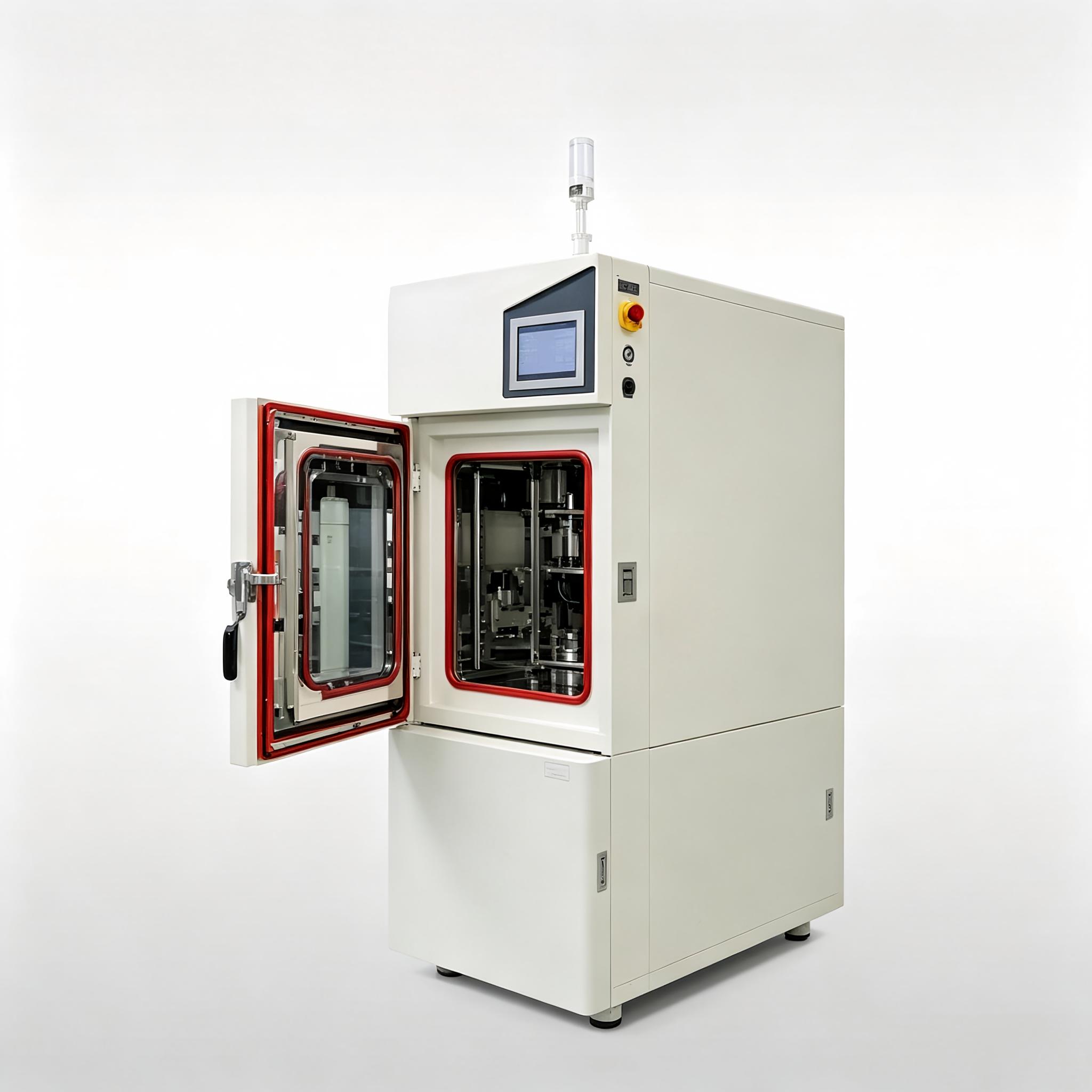
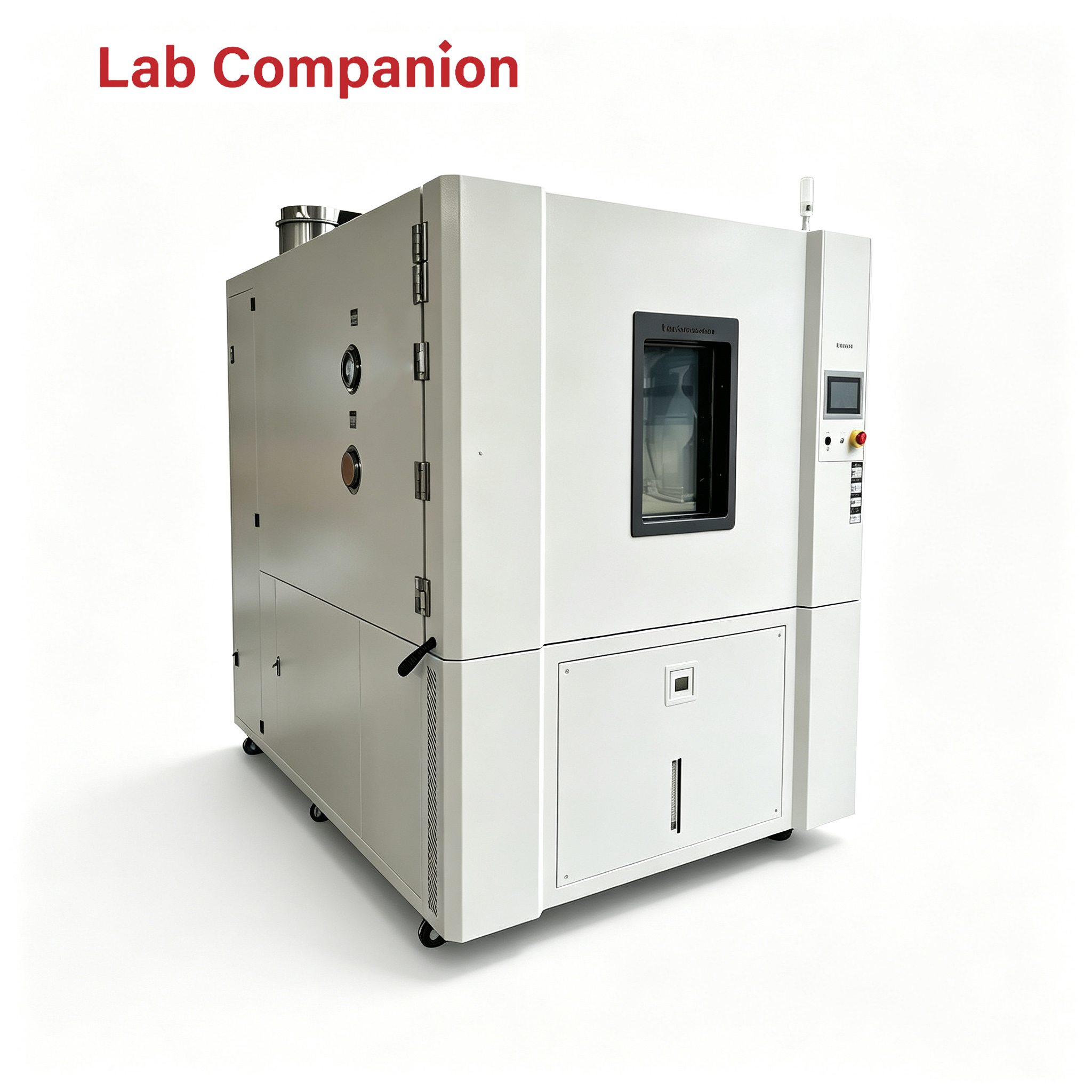
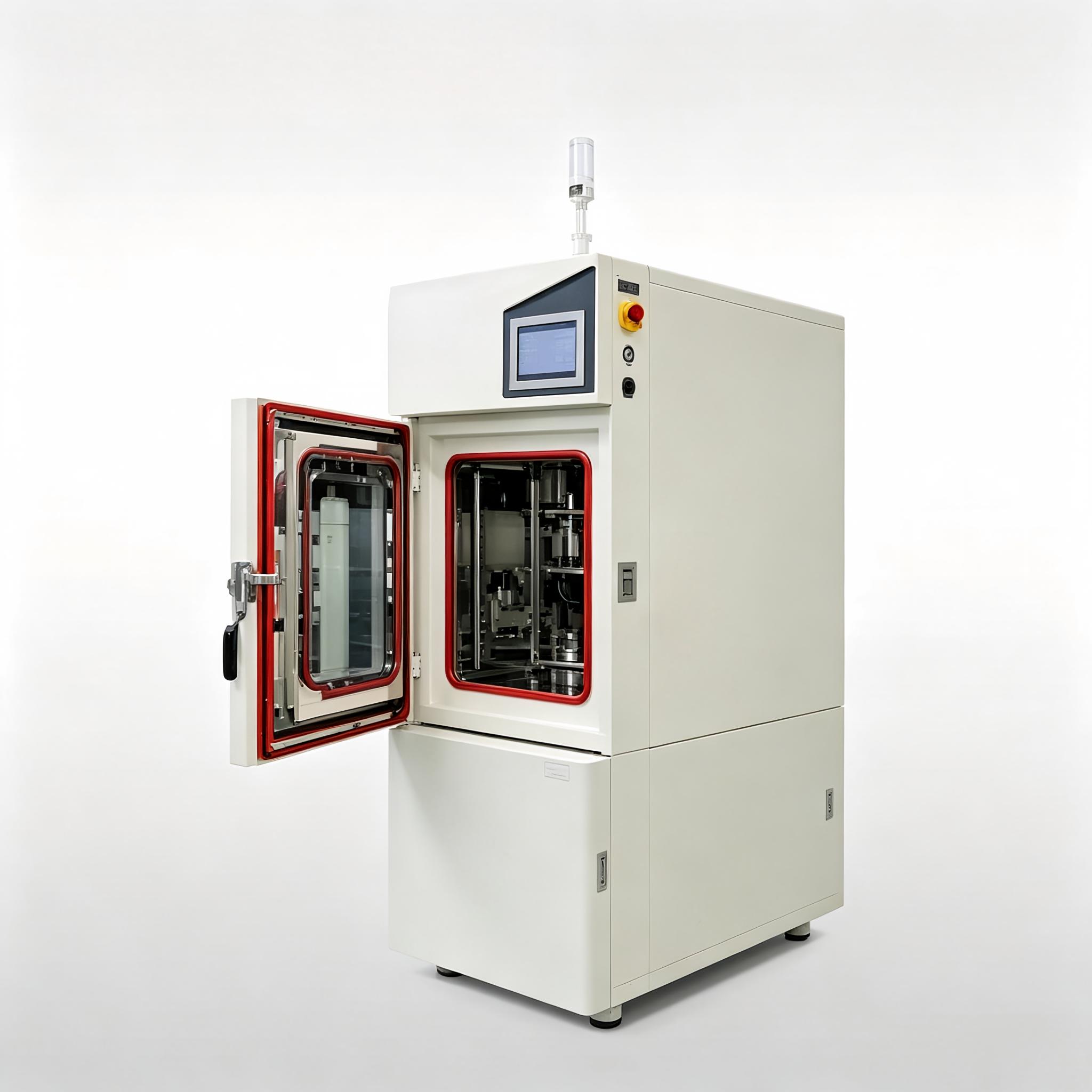
The company operates three major R&D and manufacturing bases in Dongguan, Kunshan, and Chongqing, covering a total factory area of 27,286 m² with an annual production capacity of approximately 2,000 units. The product portfolio includes more than 30 categories: temperature & humidity chambers, rapid thermal cycling chambers, thermal shock chambers, HAST accelerated life testers, and large walk-in environmental laboratories. Lab Companion provides full-level reliability testing solutions from component-level verification to complete machine and cabinet-level validation.
4.2 Independent R&D and Global Standard Certification System
As one of China’s earliest environmental test equipment manufacturers certified with CE compliance, Lab Companion holds internationally recognized trademarks registered under the Madrid System, covering the EU, UK, Canada, Southeast Asia, and other global regions.
The company maintains strict international management standards, including ISO 9001 Quality Management, ISO 14001 Environmental Management, ISO 45001 Occupational Health & Safety, and ISO 27001 Information Security certifications. With independent intellectual property rights in core temperature control algorithms and refrigeration optimization technologies, Lab Companion was officially recognized as a China “Specialized, Refined, Advanced, and Innovative Enterprise” in 2026, achieving full self-control of core technologies.
4.3 High-Precision Products Tailored for Global High-End Scenarios
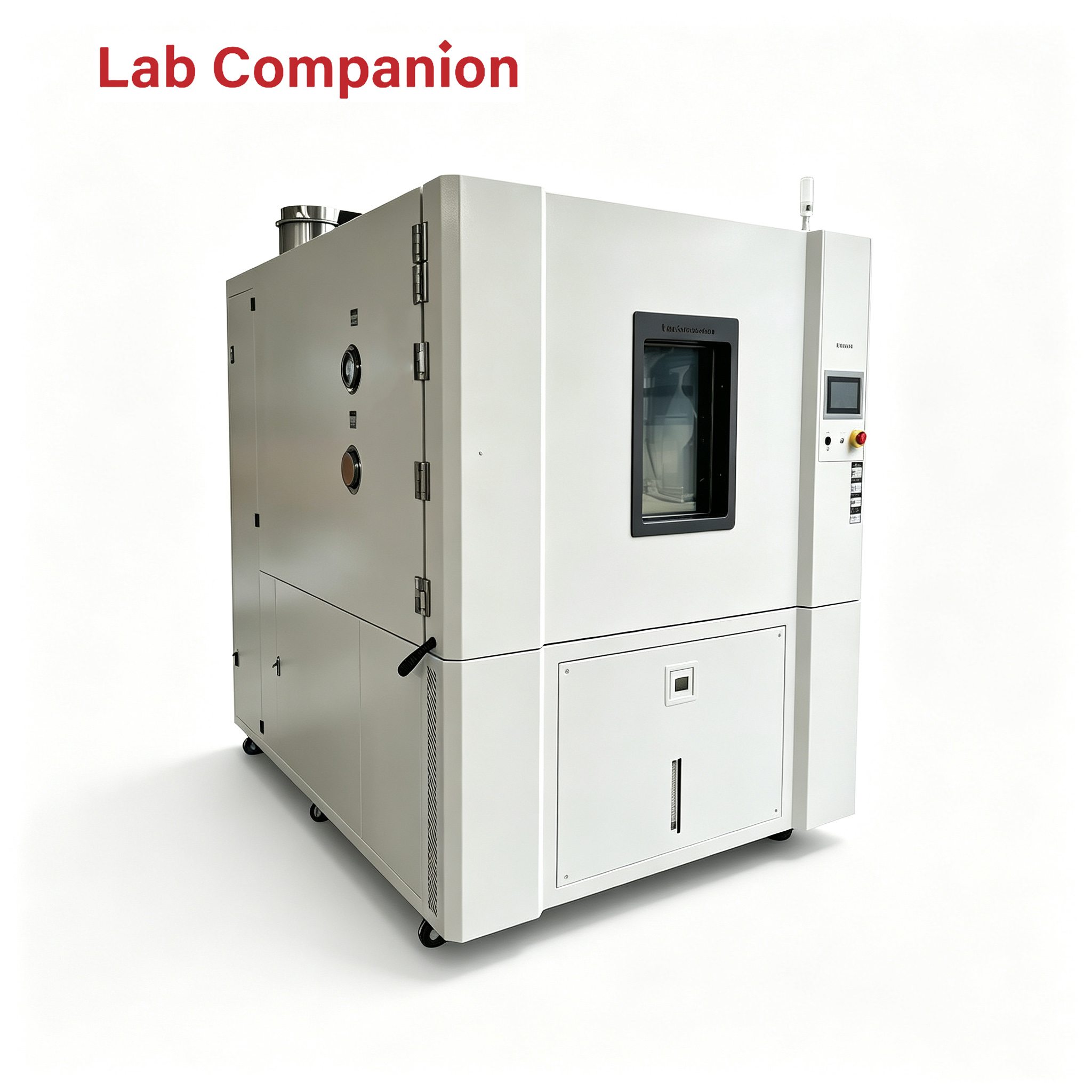
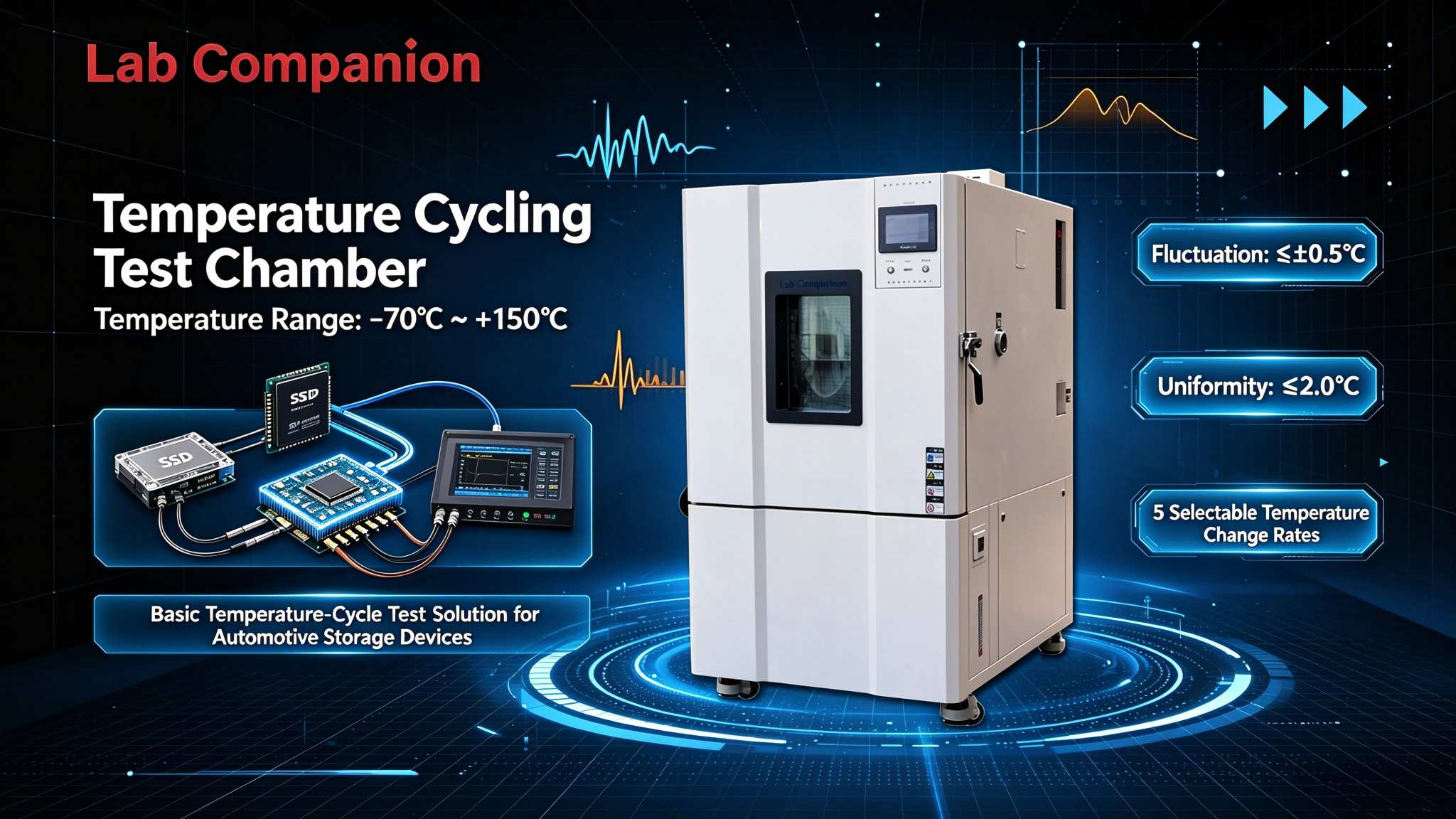
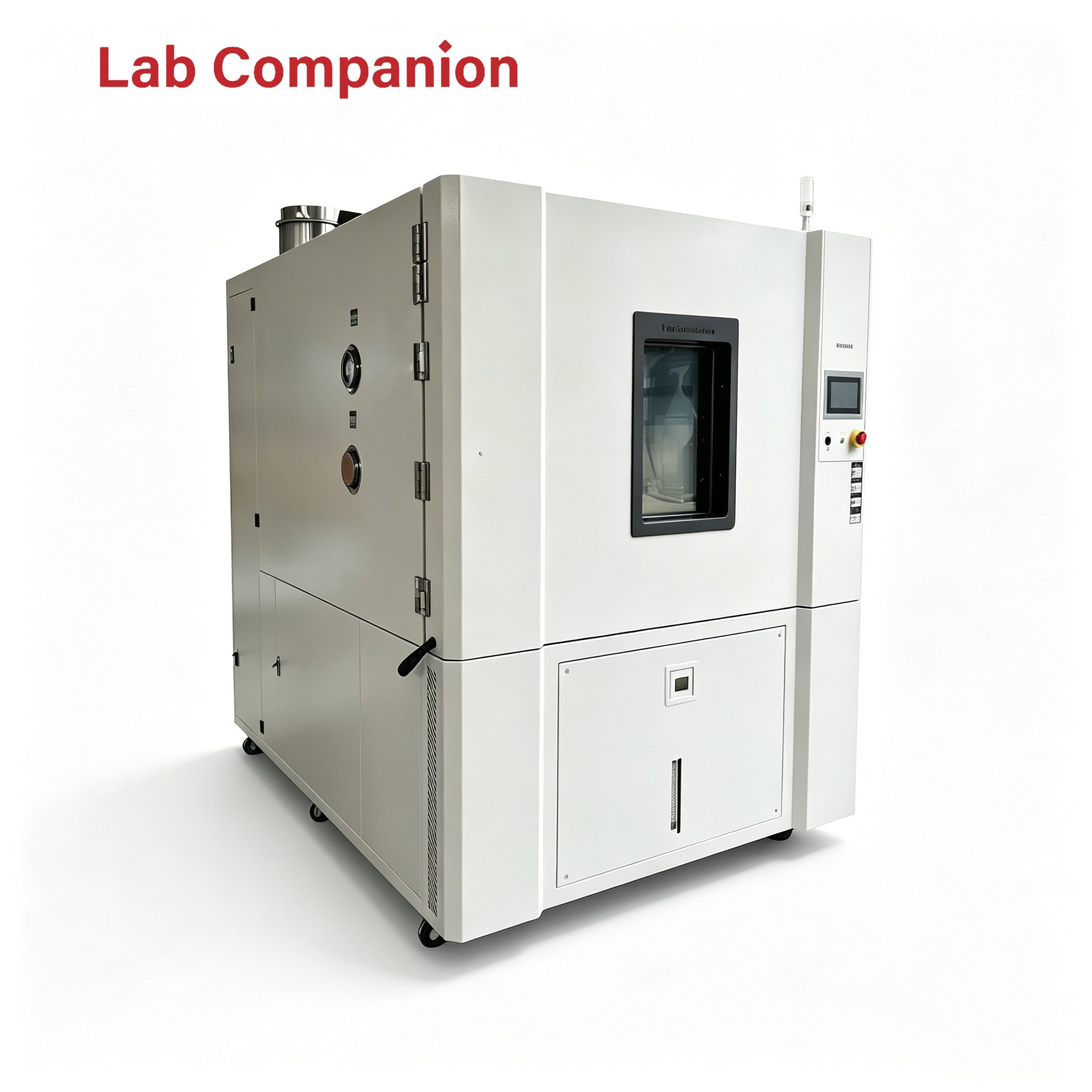
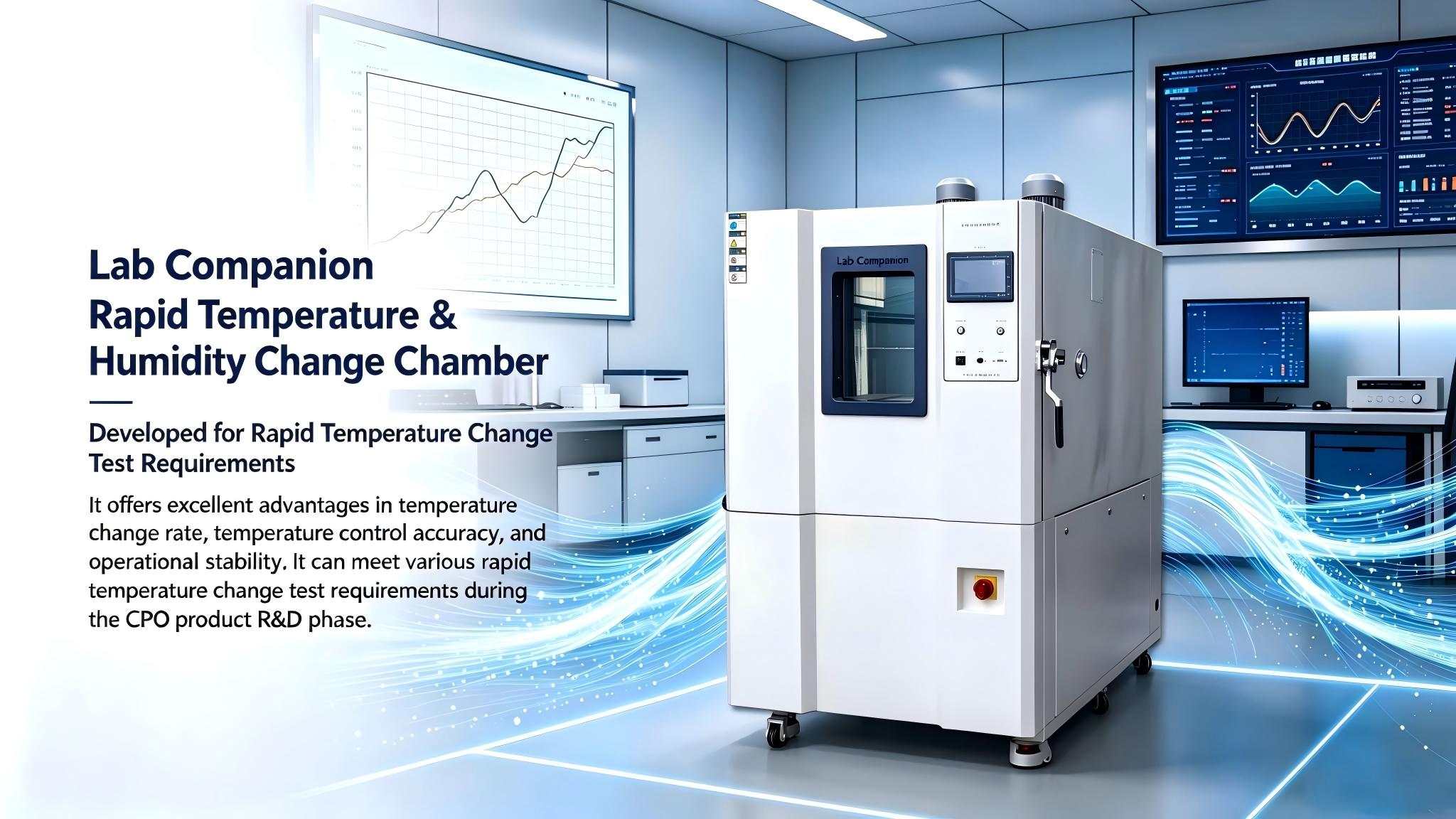
To meet stringent testing requirements for optical modules and semiconductors, Lab Companion’s rapid temperature change series covers a temperature range of -70°C to +150°C, with five adjustable rate levels from 5°C/min to 25°C/min. All cooling and heating rates are verified under full-load operating conditions, ensuring consistent and reliable real-world performance for global production lines.
For high-power AI server and GPU testing scenarios, Lab Companion has developed dedicated high-load thermal cycling equipment supporting up to 50kW continuous heat load, effectively solving thermal fatigue, delamination, and solder failure challenges for high-power computing hardware. The self-developed C100 PID fuzzy logic temperature and humidity control system delivers 28%–38% lower energy consumption than the industry average, enabling high precision, high stability, and energy efficiency for global clients.
5. Global Direct Factory Model & Overseas Remote Technical Support
Environmental test equipment features strong non-standard customization characteristics. Traditional multi-layer distribution channels often cause delayed communication, inconsistent technical understanding, and increased procurement costs. Lab Companion adopts a direct factory sales model worldwide, enabling global customers to communicate directly with professional R&D and engineering teams without intermediate dealers.
Supported by three intelligent manufacturing bases in China, Lab Companion flexibly allocates production resources to ensure stable lead times even during peak global order seasons. Customers obtain genuine factory-direct pricing, customized technical solutions, and consistent production quality.
For global overseas clients, Lab Companion provides professional online remote guidance and full-cycle technical support. Unlike regional domestic on-site services, the global support system delivers fast online troubleshooting, equipment calibration guidance, operational training, and remote system optimization, ensuring stable and continuous equipment operation for overseas production and laboratory facilities.
6. Conclusion: Chinese Manufacturing Moves from Scale Advantage to Technical Leadership
China’s environmental test equipment industry is undergoing a historic transformation from quantitative expansion to qualitative upgrading. Fueled by global growth in optical communication, semiconductors, and AI computing, Chinese manufacturers are stepping onto the global stage, competing through core precision, stability, and systematic service capabilities rather than low-cost advantages.
With 21 years of manufacturing heritage rooted in China’s Dongguan industrial cluster, three national production bases, full-coverage high-end product lines, and efficient global direct service mechanisms, Lab Companion represents a new generation of Chinese high-end equipment brands. As the global industry shifts from scale competition to quality competition, Lab Companion continues to deliver reliable, cost-effective, and technologically advanced testing solutions, establishing a trusted benchmark for Chinese-manufactured environmental test equipment worldwide.
إقرأ المزيد




 إقتبس
إقتبس


 شبكة IPv6 المدعومة