راسلنا عبر البريد الإلكتروني :
info@labcompanion.cn
-

-

طلب مكالمة :
+86 18688888286

High-temperature aging serves as an independent, vital segment within the reliability validation framework. Reliability testing often starts with temperature cycling, yet many latent failures do not require temperature variation to surface. Examples include electrolyte volatilization in electrolytic capacitors, incomplete curing of molding compounds, slow corrosion from flux residues, and stress relaxation of connectors. These failure modes only emerge after prolonged exposure to constant high temperature and are difficult to detect solely via temperature cycling. Therefore, high-temperature aging stands alongside temperature cycling, humidity testing and vibration testing to form a complete reliability validation matrix. With over 20 years of expertise in environmental reliability test equipment, LabCompanion offers the OVEN Series high-temperature aging chambers to meet constant-temperature screening and material stabilization requirements.
Electronic components and assemblies may contain latent defects introduced during manufacturing, such as cold solder joints, material inclusions and batch-to-batch material variations. These defects remain dormant at ambient temperature, while elevated temperatures accelerate chemical reactions and trigger failures in advance. After high-temperature aging for a specified duration, defective units are screened out, significantly improving the consistency of outgoing batches.
Materials including potting compounds, coatings and structural adhesives require sustained high-temperature exposure for full curing and internal stress release. Skipping this stabilization process before deployment will lead to shrinkage, cracking or degraded adhesion under subsequent temperature fluctuations. A high-temperature aging chamber delivers the controlled, stable constant thermal environment required for this process.
Temperature cycling evaluates thermo-mechanical stress induced fatigue and cracking. High-temperature aging targets chemical and gradual physical changes driven by constant heat. Their failure mechanisms differ fundamentally and neither test can replace the other. A well-designed reliability program combines both test types for complementary validation.
Heat transfer inside the chamber at high working temperatures relies mainly on convection and radiation, which easily create temperature gradients. Poor temperature uniformity causes uneven aging rates: samples near heating elements or air outlets age faster while units at chamber corners lag behind. Inconsistent aging across one batch undermines the validity of screening results.
Aging cycles commonly run for tens to hundreds of hours. Long-duration operation exposes issues such as temperature control drift, heater degradation and fan bearing wear. Consistent temperature performance throughout the full aging cycle directly determines data reliability.
Aging may release solvents, flux residues and thermal decomposition by-products. Insufficient ventilation allows hazardous gas accumulation, which contaminates test samples and creates safety risks. Adjustable air exchange rate, optimized exhaust routing, independent over-temperature protection and door interlock are key features that distinguish aging chambers from ordinary drying ovens.
Continuous long-running operation makes energy consumption a major part of total ownership cost. Oversized chambers waste heat on empty space during every heating cycle. Selecting the right chamber size according to actual batch load and avoiding long-term underloaded operation is an effective way to cut operating costs.
The OVEN Series covers multiple chamber sizes, supporting small-batch R&D validation as well as high-volume production screening. Users can select the proper model based on sample quantity and layout. There is no need to purchase an oversized chamber for low-volume testing or combine multiple small units to fulfill large-batch requirements.
Temperature range: -70℃ ~ +150℃. At high-temperature settings, temperature fluctuation is ±0.3℃ and temperature deviation is ±2℃, meeting the aging specifications for most electronic components and assemblies. Temperature profiles and operation logs are automatically recorded. Start/end timestamps, real-time temperature readings and alarm events are fully traceable to support batch judgment and quality review.
Aging workflows vary widely across industries. Custom options built on the standard platform include multi-layer trays, live-circuit aging feedthroughs, adjustable ventilation structures and customized exhaust layouts. LabCompanion is headquartered in Dongguan, with three R&D and manufacturing bases in Dongguan, Kunshan and Chongqing. The total production area exceeds 6,000 ㎡ and annual output reaches approximately 2,000 environmental test chambers. Service points are deployed across major regions of China for responsive local support.
When sizing the chamber, calculate according to total sample quantity and tray layout. Reserve clearances between layers and samples for smooth airflow. For powered aging, allocate extra space for fixtures and wiring to avoid under-sizing. Proper matching reduces unnecessary energy waste.
Empty-chamber uniformity only reflects the theoretical upper limit of the unit. Full-load temperature mapping data represents real working performance. Request full-load multi-point temperature test reports from the supplier during evaluation. Re-testing using your actual sample arrangement is strongly recommended.
For continuous high-temperature operation, over-temperature protection, door interlock, ventilation/exhaust and fault alarms are mandatory. Confirm service life, spare part availability and lead time for consumables including heaters, fans and seals in advance to prevent unexpected test interruption.
Recommended practice: Formalize aging parameters into standardized SOPs, defining temperature, dwell time, loading rules and acceptance criteria. Save validated recipes in the chamber controller for one-click recall. This standardizes execution across shifts and operators and facilitates process iteration and root-cause analysis.
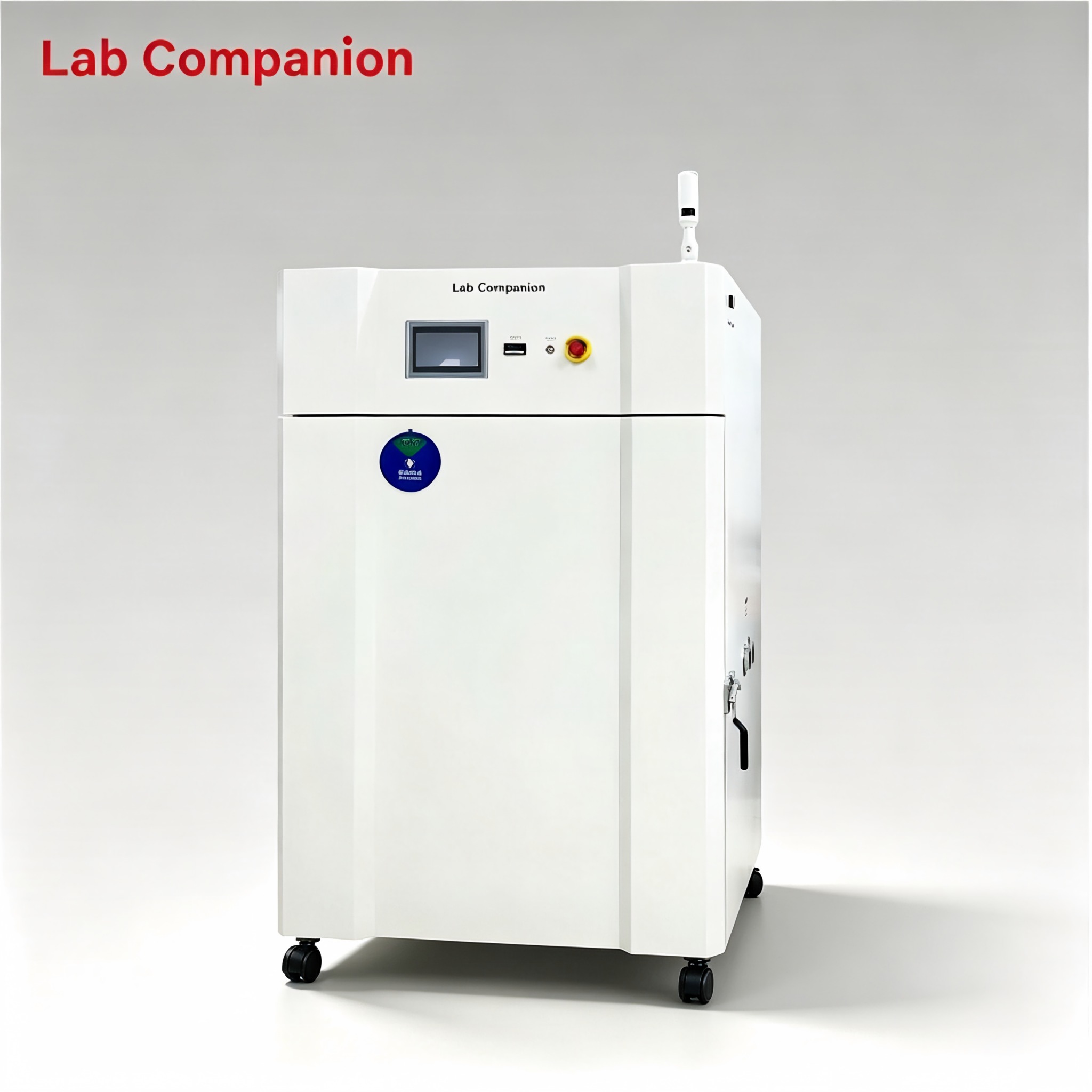
High-temperature aging measures the cumulative effect of heat and time. Consistent long-term equipment performance is the foundation of trustworthy screening results. The LabCompanion OVEN Series high-temperature aging chambers feature a wide -70℃ ~ +150℃ working range, a full lineup of chamber sizes, ±0.3℃ temperature stability and automatic data logging. Customization and safety upgrades are available. Backed by three manufacturing hubs and a nationwide service network, LabCompanion delivers proven constant-temperature aging solutions for electronic components and assemblies.
 إقتبس


 شبكة IPv6 المدعومة